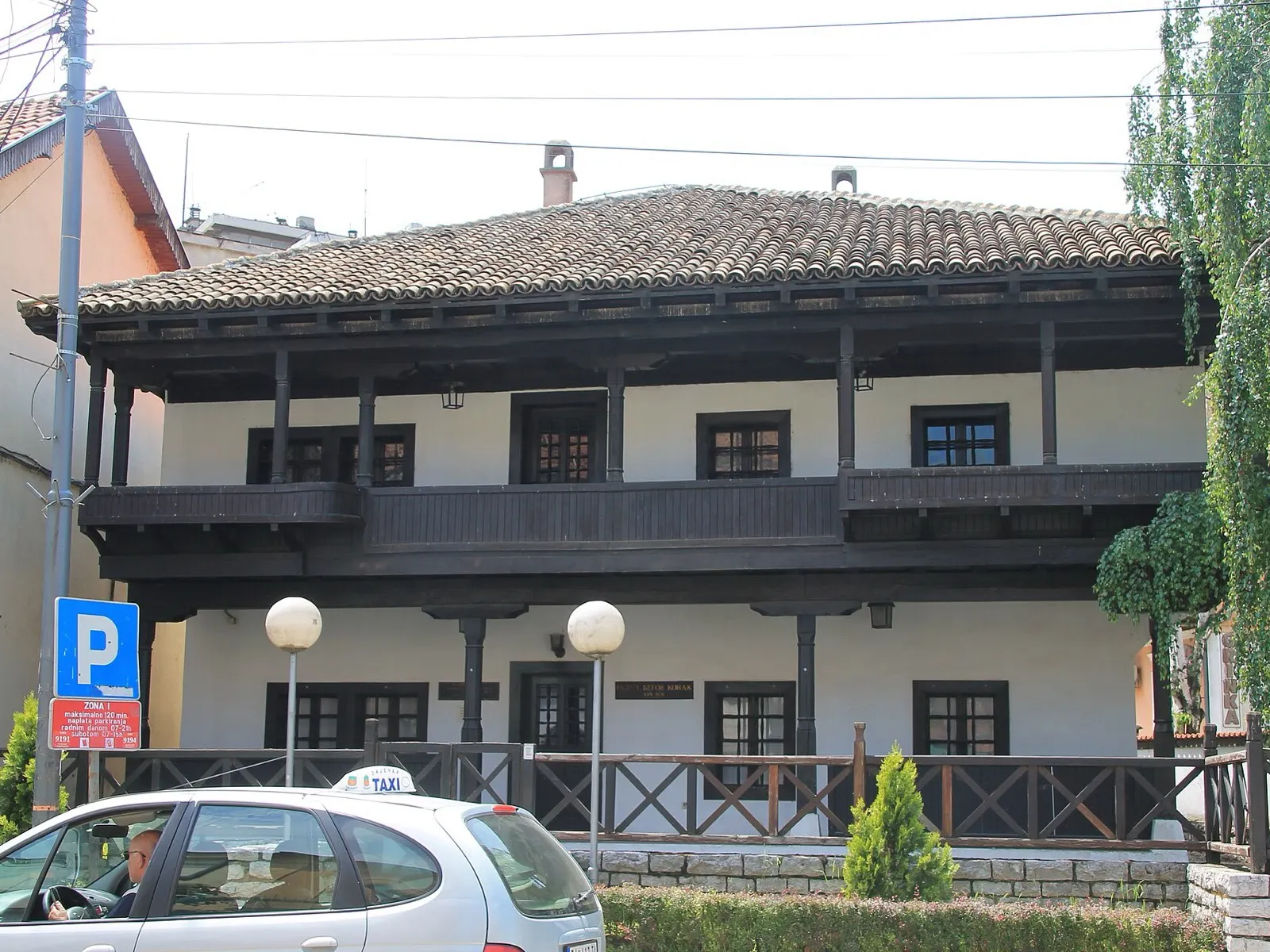
Radul-beg Konak
The town's oldest surviving residence, now home to the “Old Zaječar” exhibition and a sales gallery.
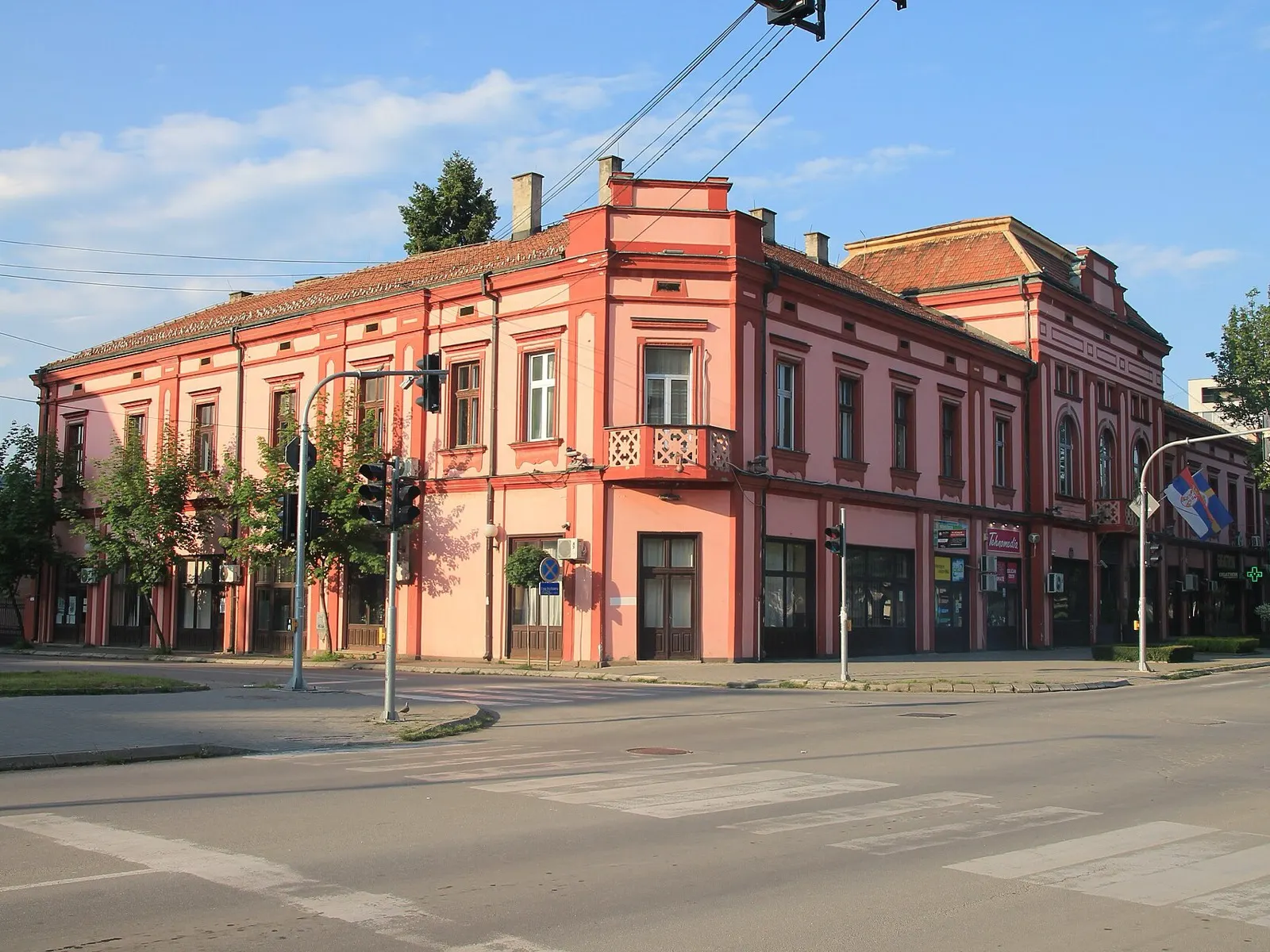
Zaječar town centre
Founded in 1951 on the main square – home to the finds from Felix Romuliana.
The National Museum was founded on 27 March 1951 as the town museum by the municipal people's committee, and has carried its present name since 1961. It stands right in the centre on the main square at Dragoslava Srejovića 2, in a 1927 building originally erected for a military road-design authority and itself a listed monument.
At its founding the museum held roughly a dozen archaeological objects turned up by chance during earthworks. Its real significance began in 1953 with the excavations at Felix Romuliana. Today departments for history, art history, archaeology, ethnology and documentation work across some 750 square metres.
The museum association also covers the Radul-beg konak, the Turkish mill and the Felix Romuliana site itself. Anyone visiting Romuliana has therefore already met the institution that runs it.
In 2010 the history department was redesigned around figures who worked outward from Zaječar into national life – among them Adam Bogosavljević, Nikola Pašić and Đorđe Genčić.
The hotel map goes live as soon as the Stay22 property ID for zajecar.eu is in place. Until then the editorial recommendations below cover the options.
The town's oldest surviving residence, now home to the “Old Zaječar” exhibition and a sales gallery.
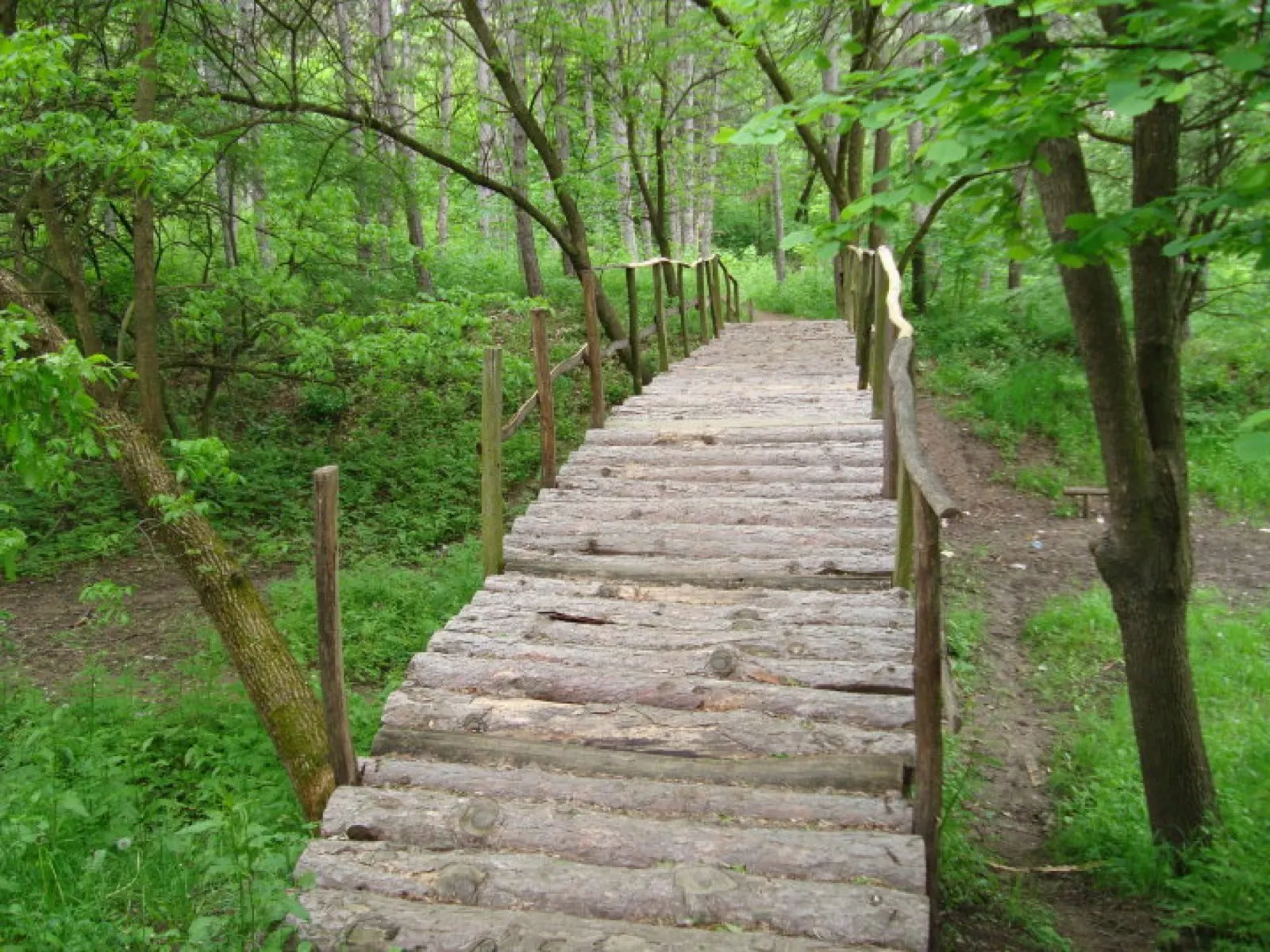
400 hectares of park forest south of town – recreation area, sports hub and festival ground in one.
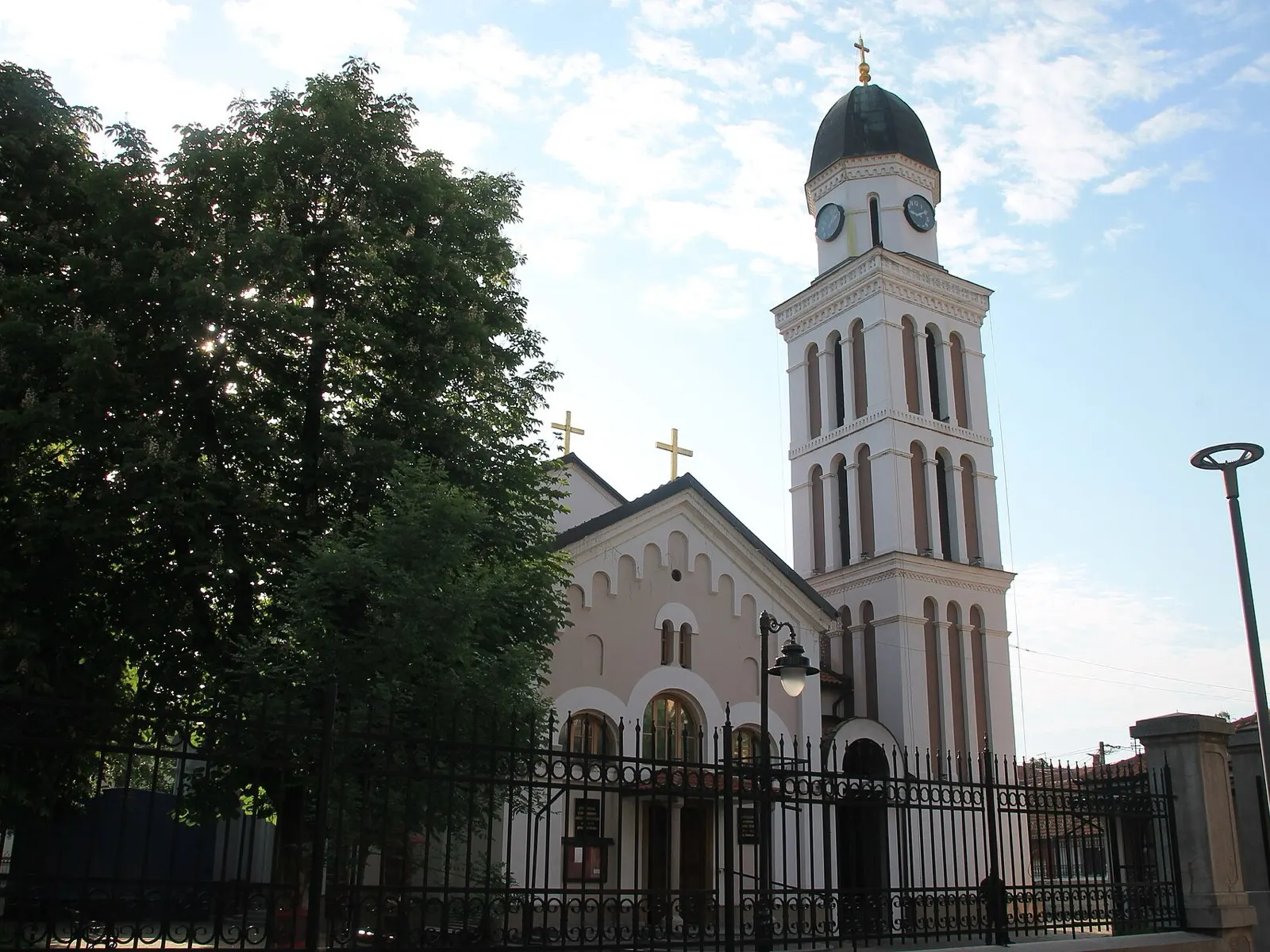
Built in 1834, the cathedral of the Timok Eparchy of the Serbian Orthodox Church.