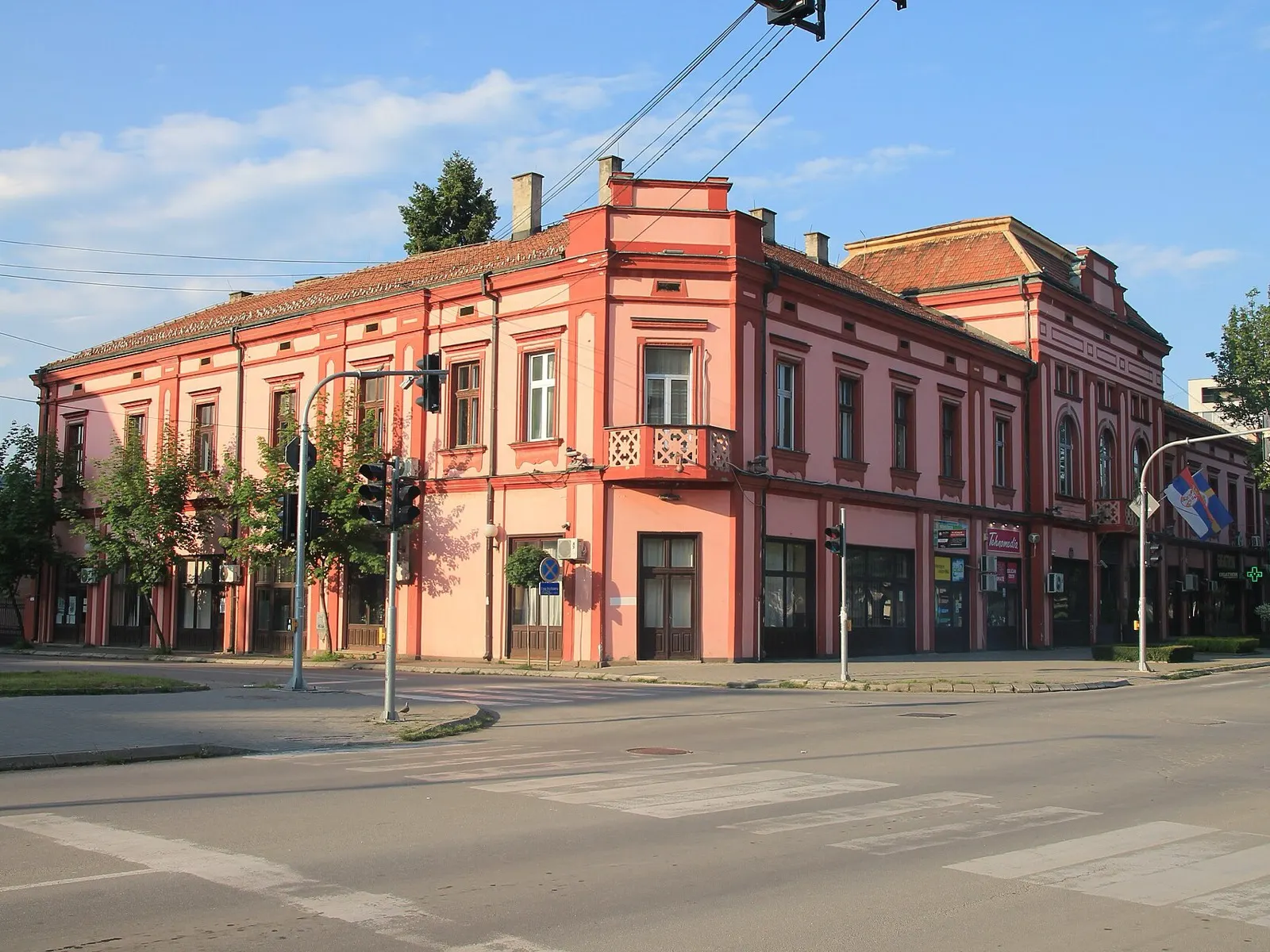
Zaječar National Museum
Founded in 1951 on the main square – home to the finds from Felix Romuliana.
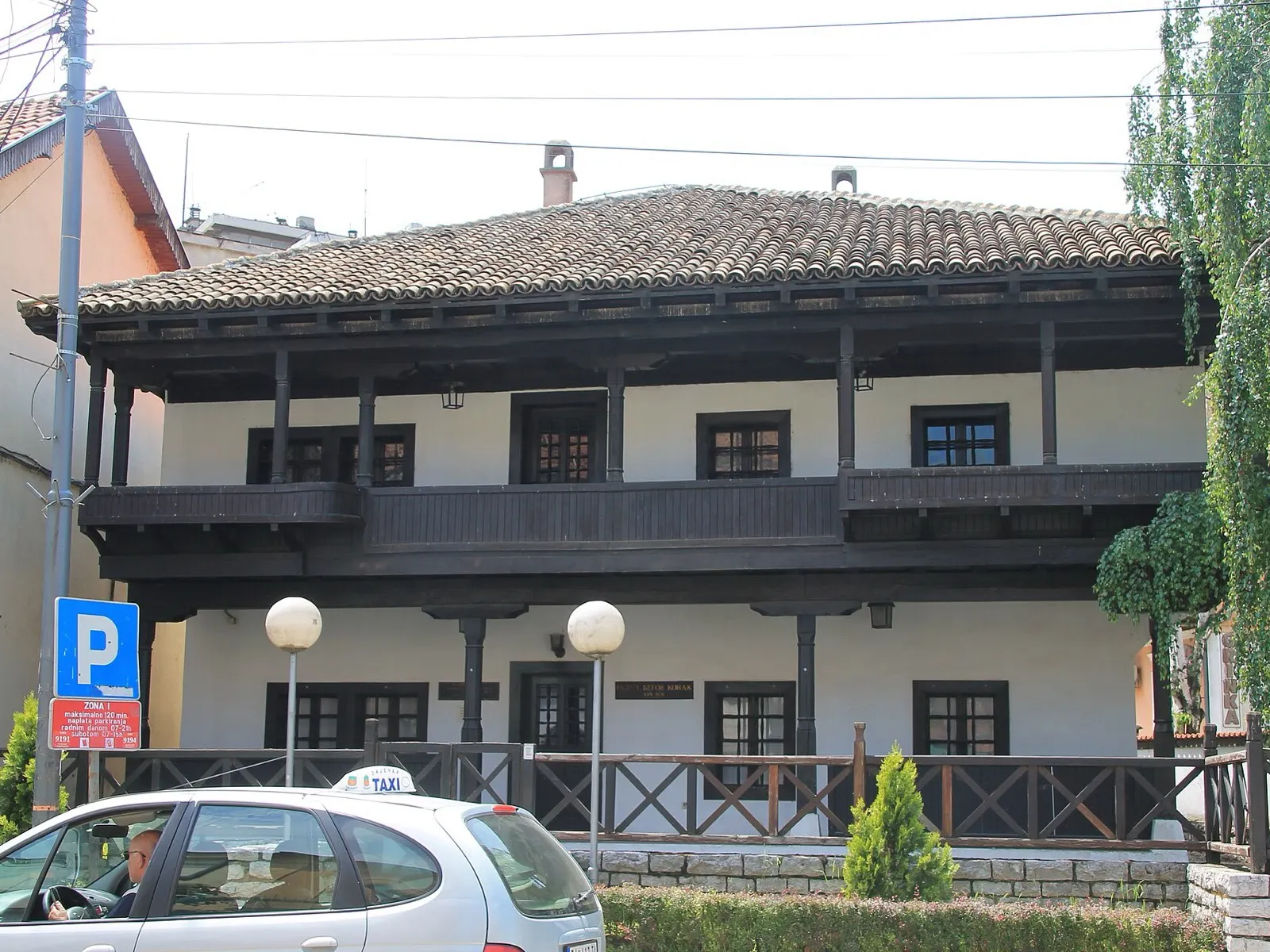
Zaječar town centre
The town's oldest surviving residence, now home to the “Old Zaječar” exhibition and a sales gallery.
The konak is among the oldest buildings in Zaječar, though no reliable construction date survives. It is assumed that Radul Gligorijević from the nearby village of Grljan bought the house after the Ottoman withdrawal in 1833 – later known as Radul beg, hence the name.
The building is a two-storey čardak. The ground floor held changing workshops over the decades: coppersmiths, goldsmiths, shoemakers; restoration work turned up traces of a forge. Sources suggest a Turkish inn stood here towards the end of the eighteenth century. Upstairs, alongside the living quarters, was a hamam.
A thorough reconstruction ran from 1975 to 1976: the original mud-built structure was taken down and replaced in solid materials, with the exterior modelled on the original. The upper floor now holds the permanent interiors exhibition, with the Hadži-Pavlović family salon, a dining room and “girls'”, “Turkish” and “Arab” rooms furnished in carved wood. The ground floor houses a sales gallery for paintings, sculpture and craft work, and hosts book launches and literary evenings.
The hotel map goes live as soon as the Stay22 property ID for zajecar.eu is in place. Until then the editorial recommendations below cover the options.
Founded in 1951 on the main square – home to the finds from Felix Romuliana.
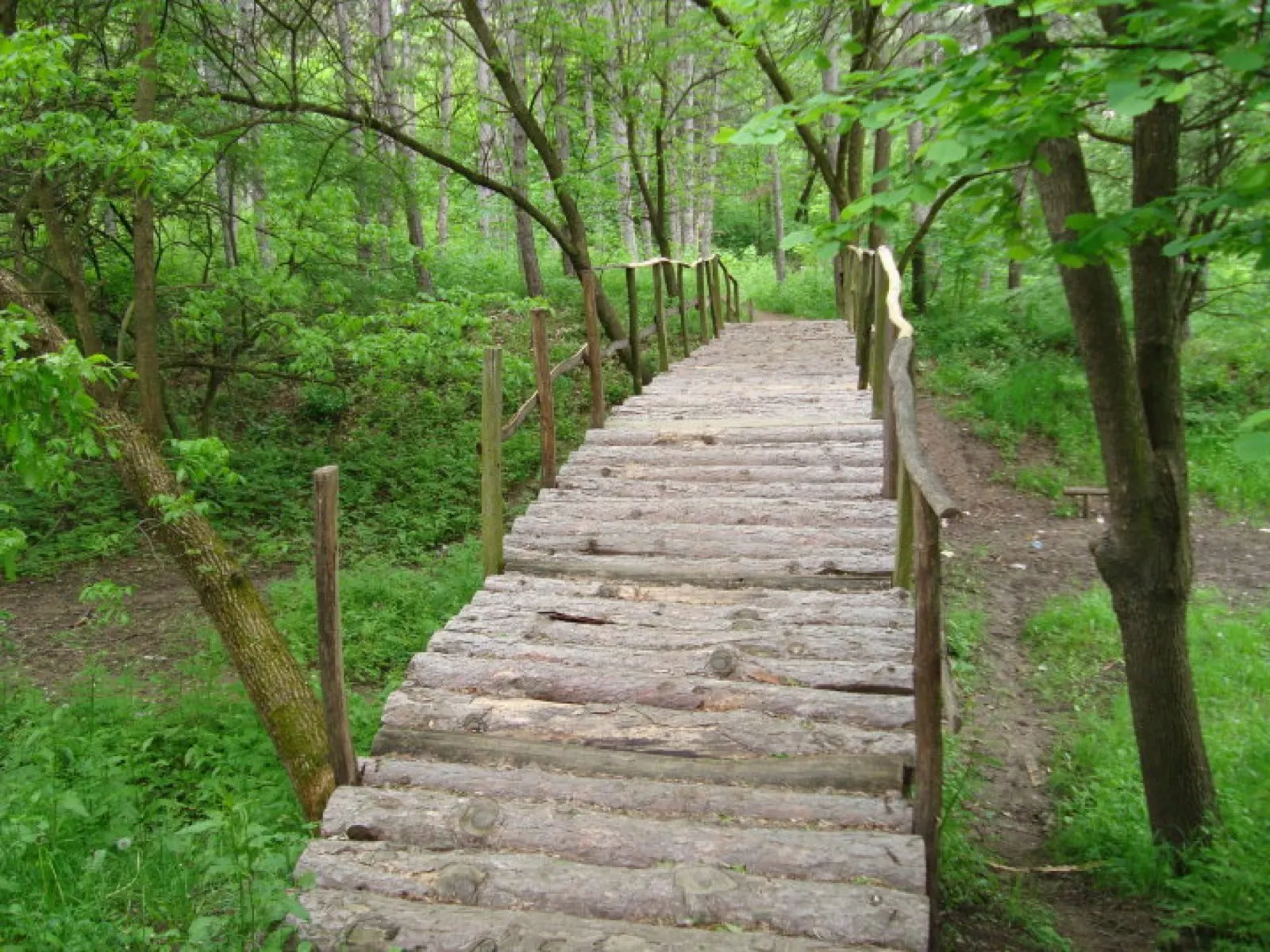
400 hectares of park forest south of town – recreation area, sports hub and festival ground in one.
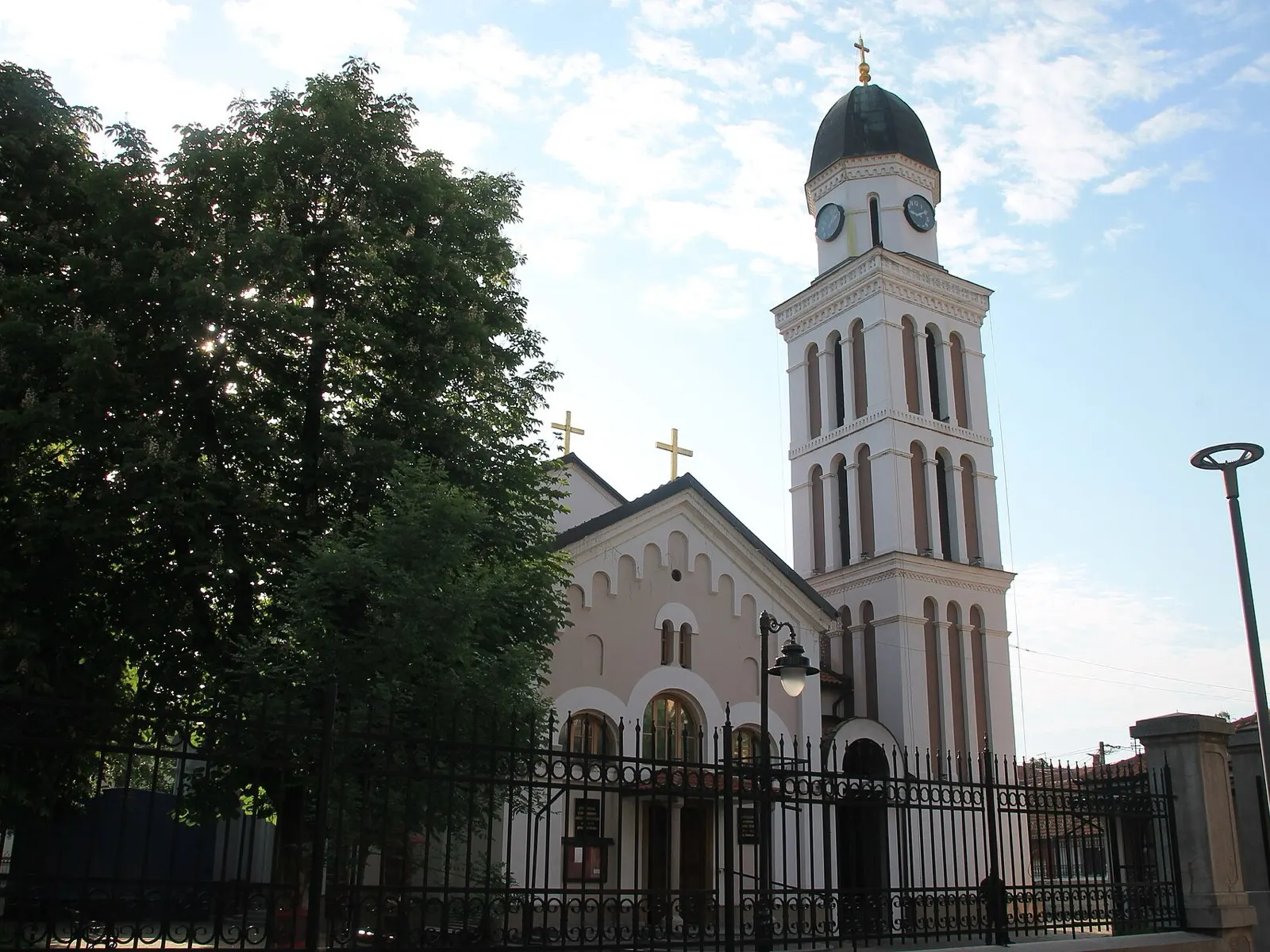
Built in 1834, the cathedral of the Timok Eparchy of the Serbian Orthodox Church.