approx. 1.5 hrs
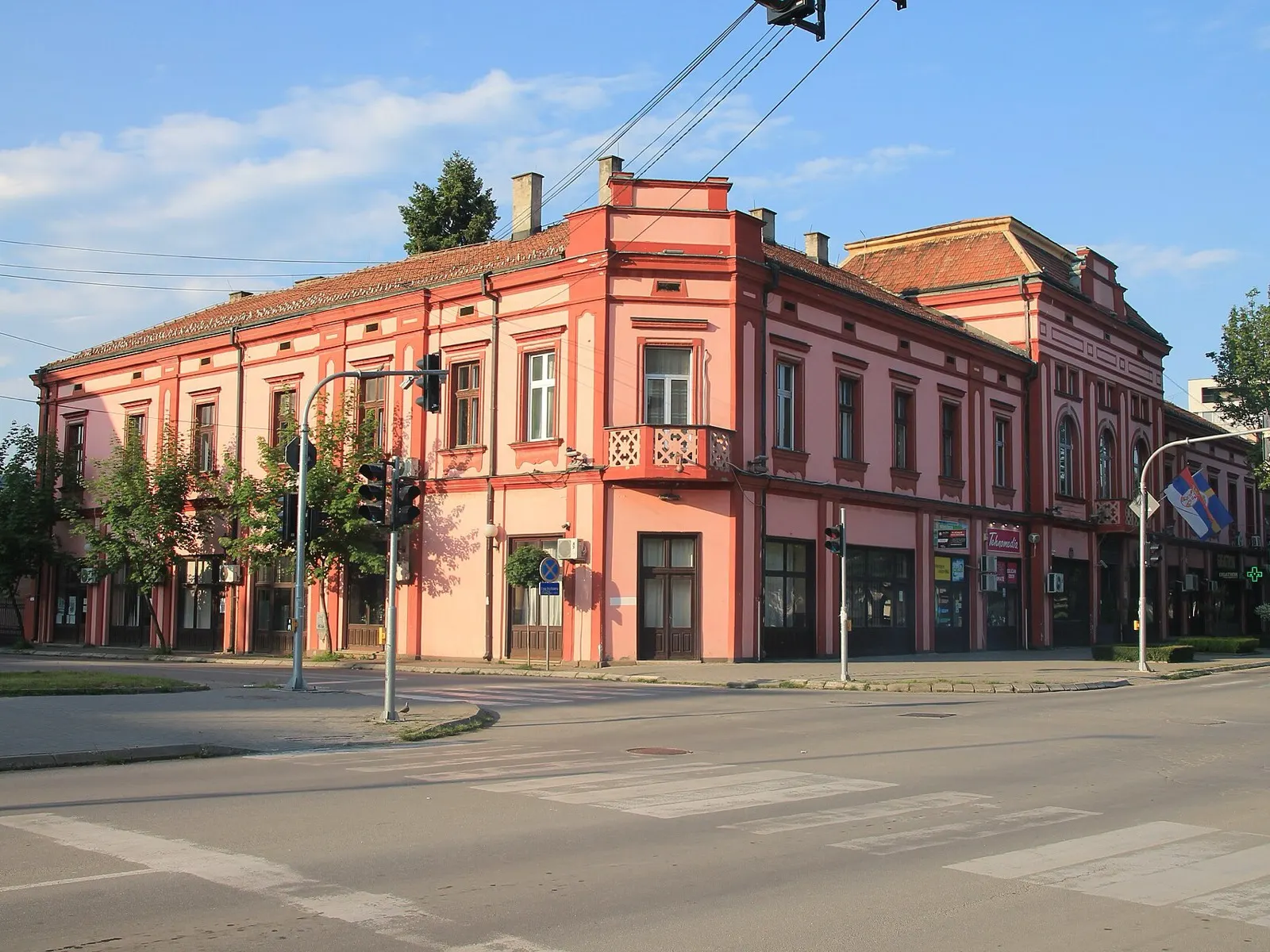
Zaječar National Museum
Founded in 1951 on the main square – home to the finds from Felix Romuliana.
Attractions
Twelve destinations, sorted by distance rather than by importance – so you can see at a glance what fits your time frame.
Walkable, all doable in a single day.
approx. 1.5 hrs
Founded in 1951 on the main square – home to the finds from Felix Romuliana.
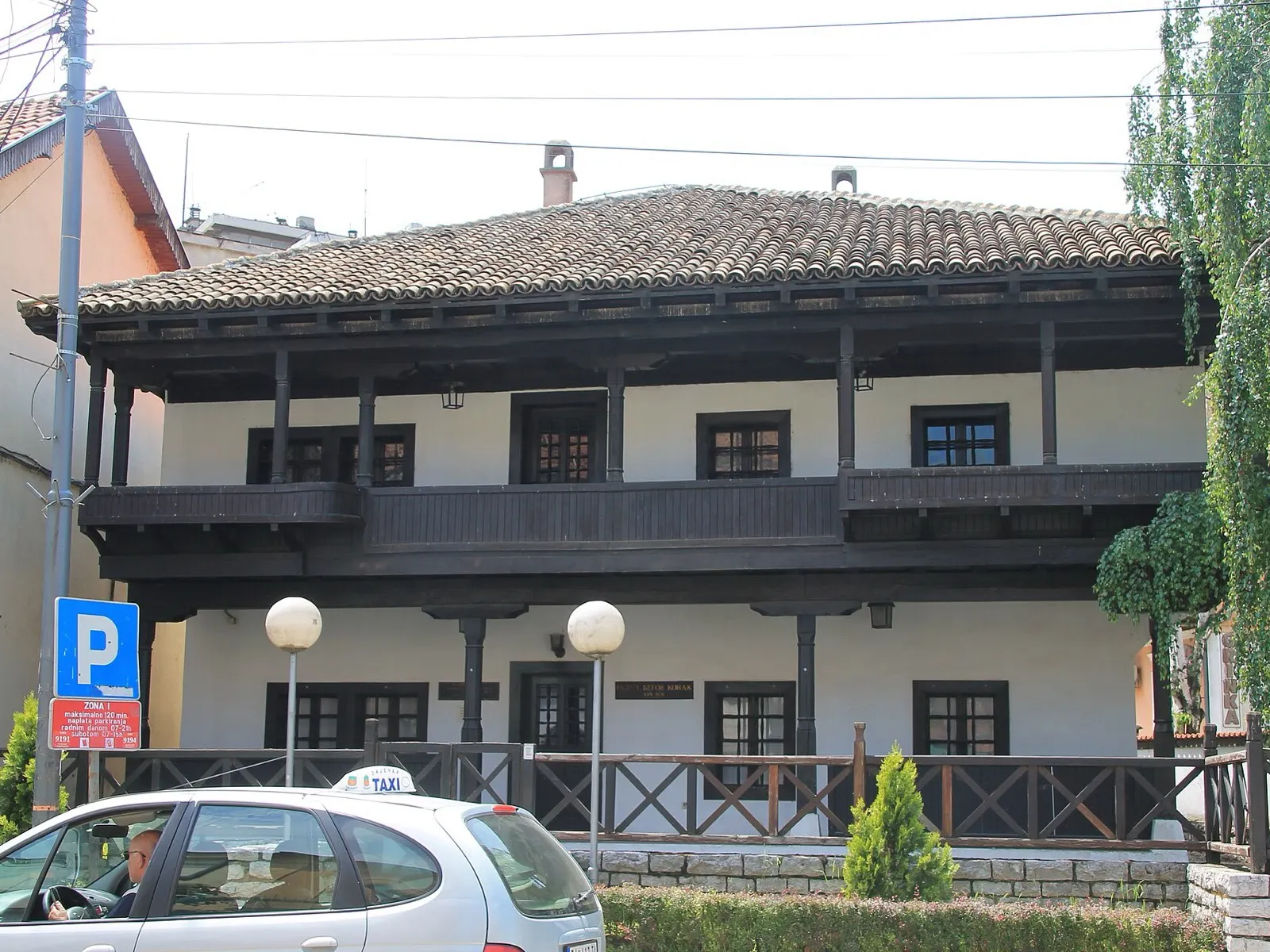
approx. 0.8 hrs
The town's oldest surviving residence, now home to the “Old Zaječar” exhibition and a sales gallery.
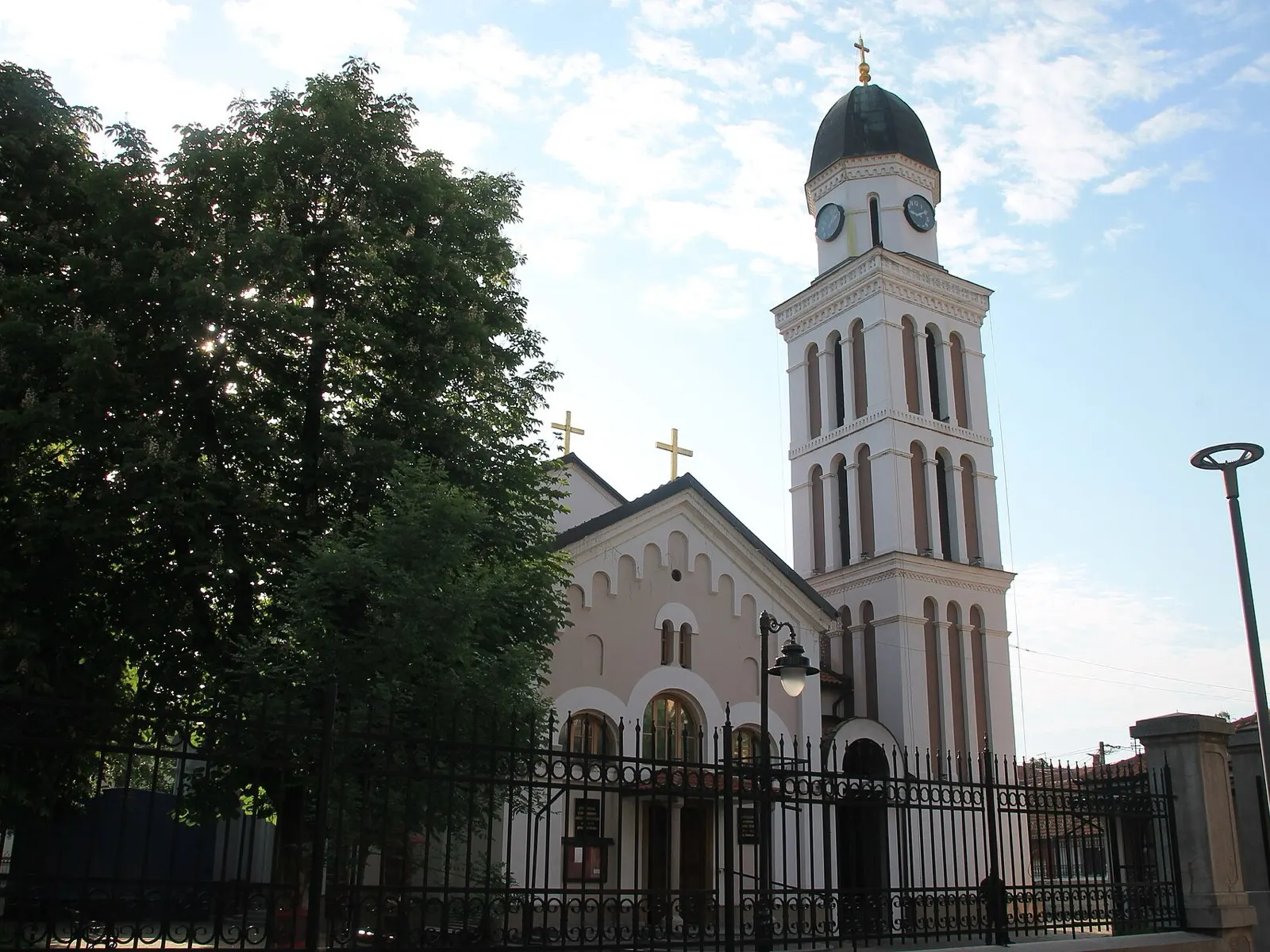
approx. 0.5 hrs
Built in 1834, the cathedral of the Timok Eparchy of the Serbian Orthodox Church.
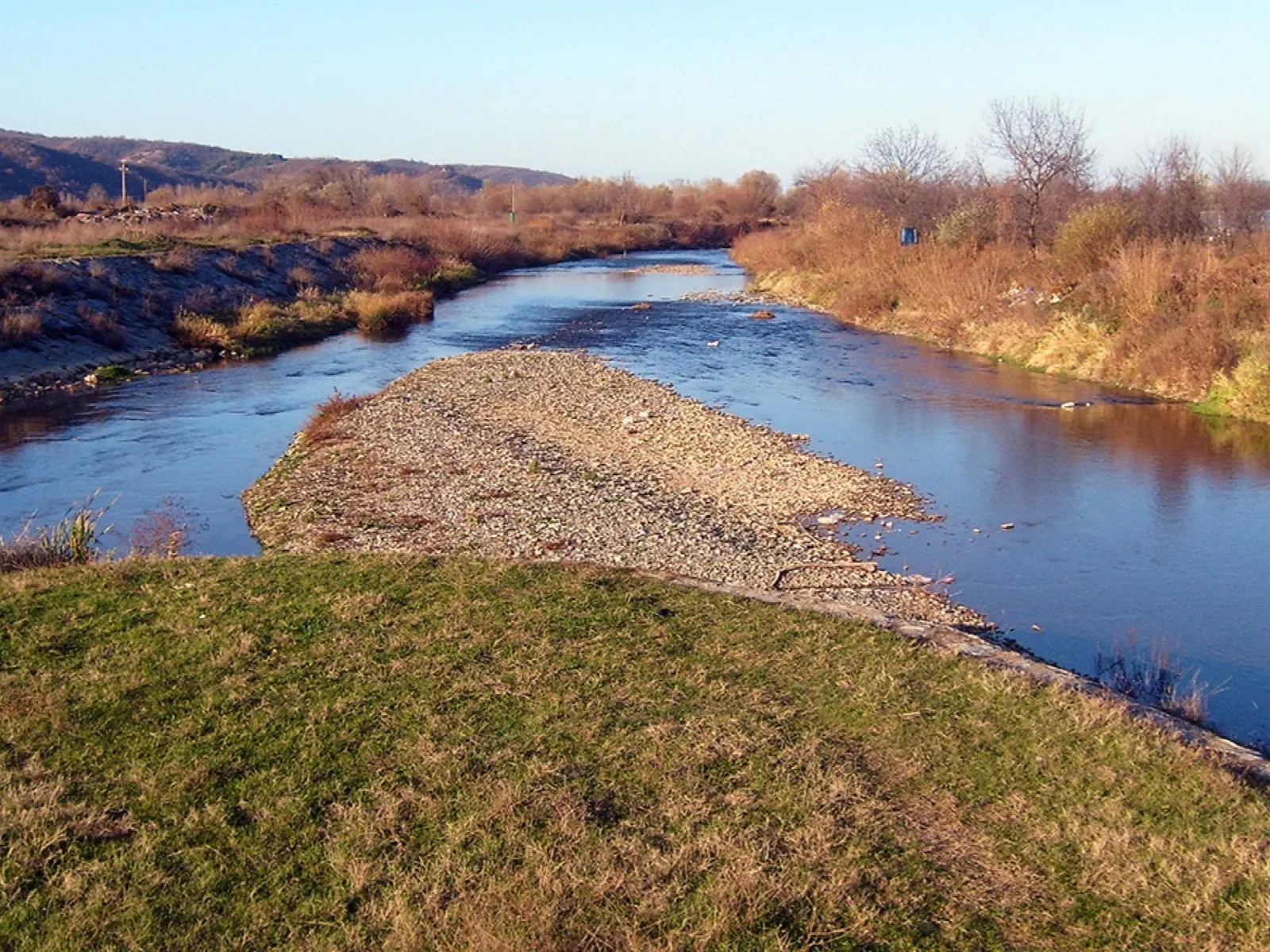
approx. 1.5 hrs
Where the Crni and Beli Timok merge: a riverside recreation area with beach, stage and sports pitches.
Half-day trips. Straightforward by car, workable by bus with some planning.
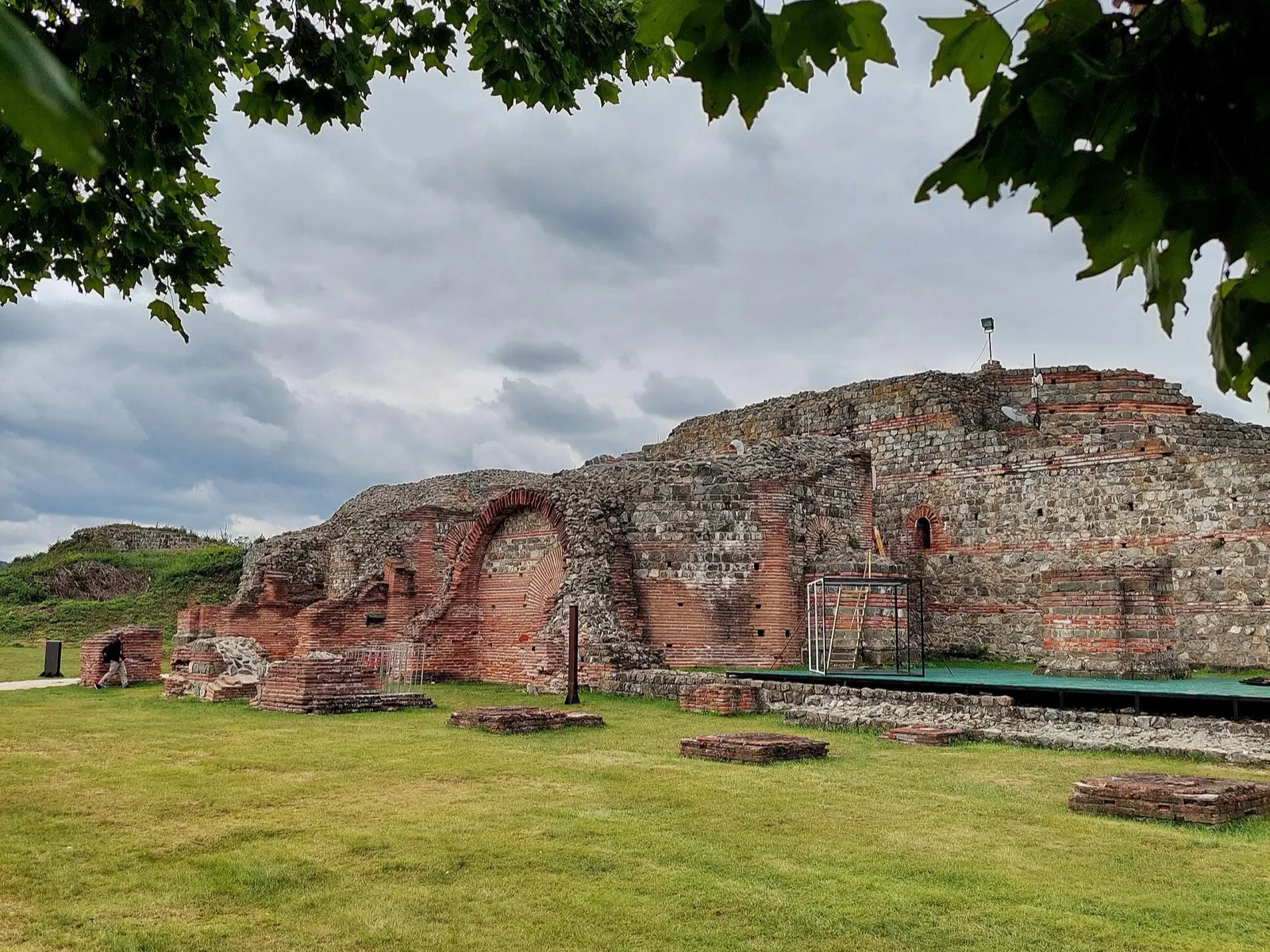
approx. 2.5 hrs
Emperor Galerius' palace complex, a UNESCO World Heritage Site since 2007 and Serbia's most important late-Roman site.
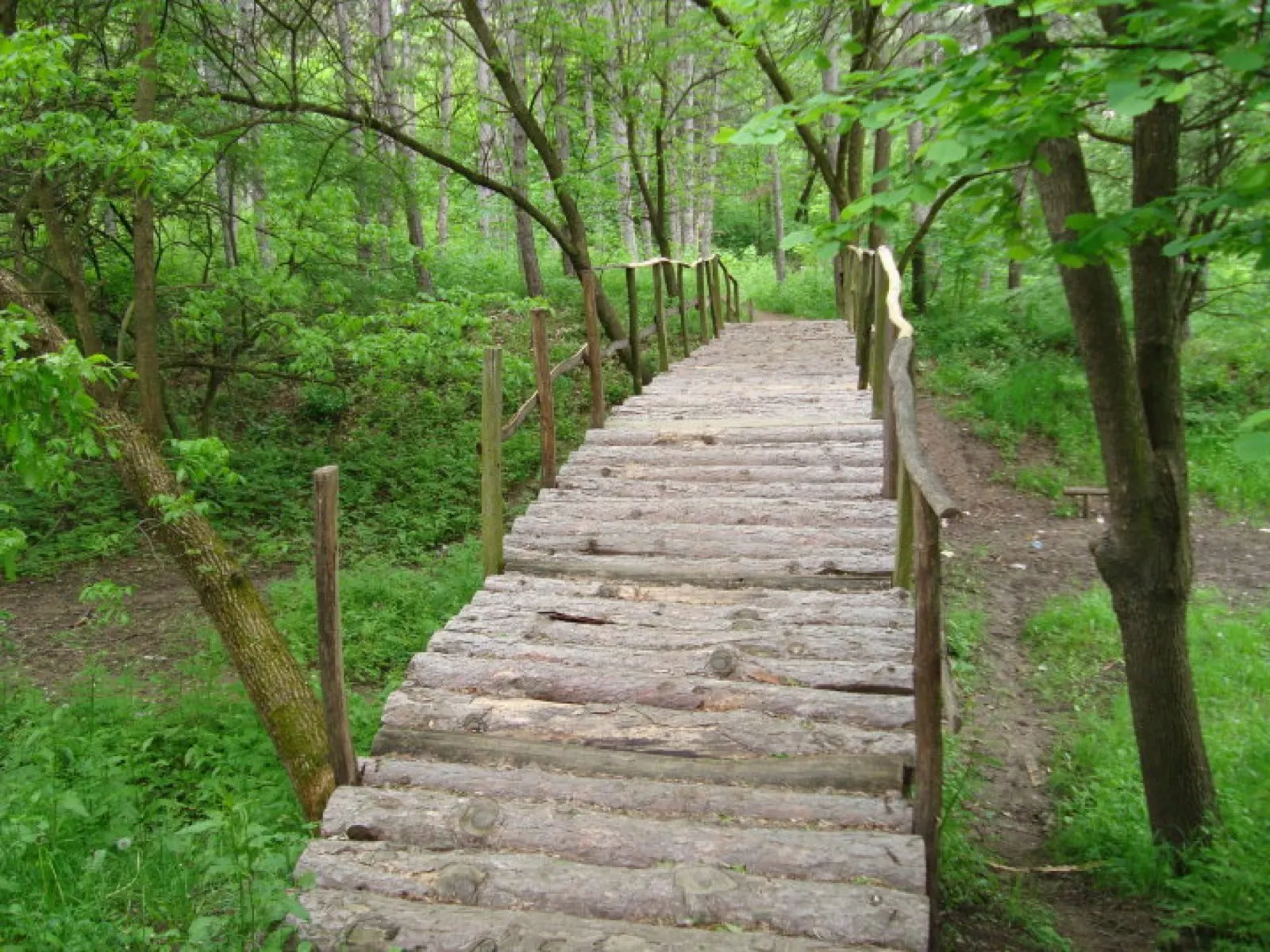
approx. 2 hrs
400 hectares of park forest south of town – recreation area, sports hub and festival ground in one.
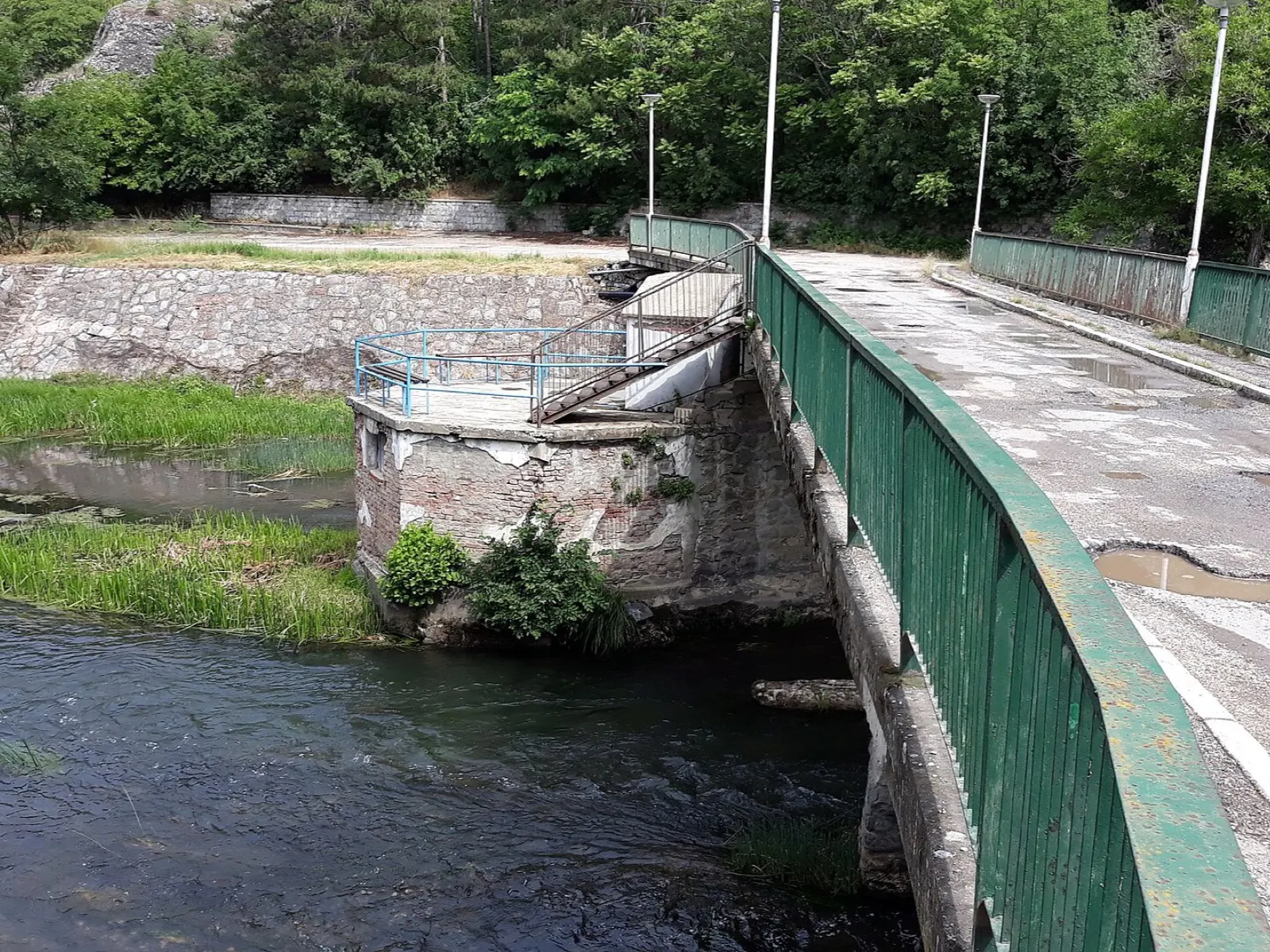
approx. 3 hrs
A thermal spa in the Crni Timok valley, eleven kilometres west of town – one of Serbia's oldest.

approx. 2 hrs
A 110-hectare reservoir and the town's drinking water supply – fishing allowed, boats not.
Full-day trips into the Timok Valley. A hire car is effectively required.
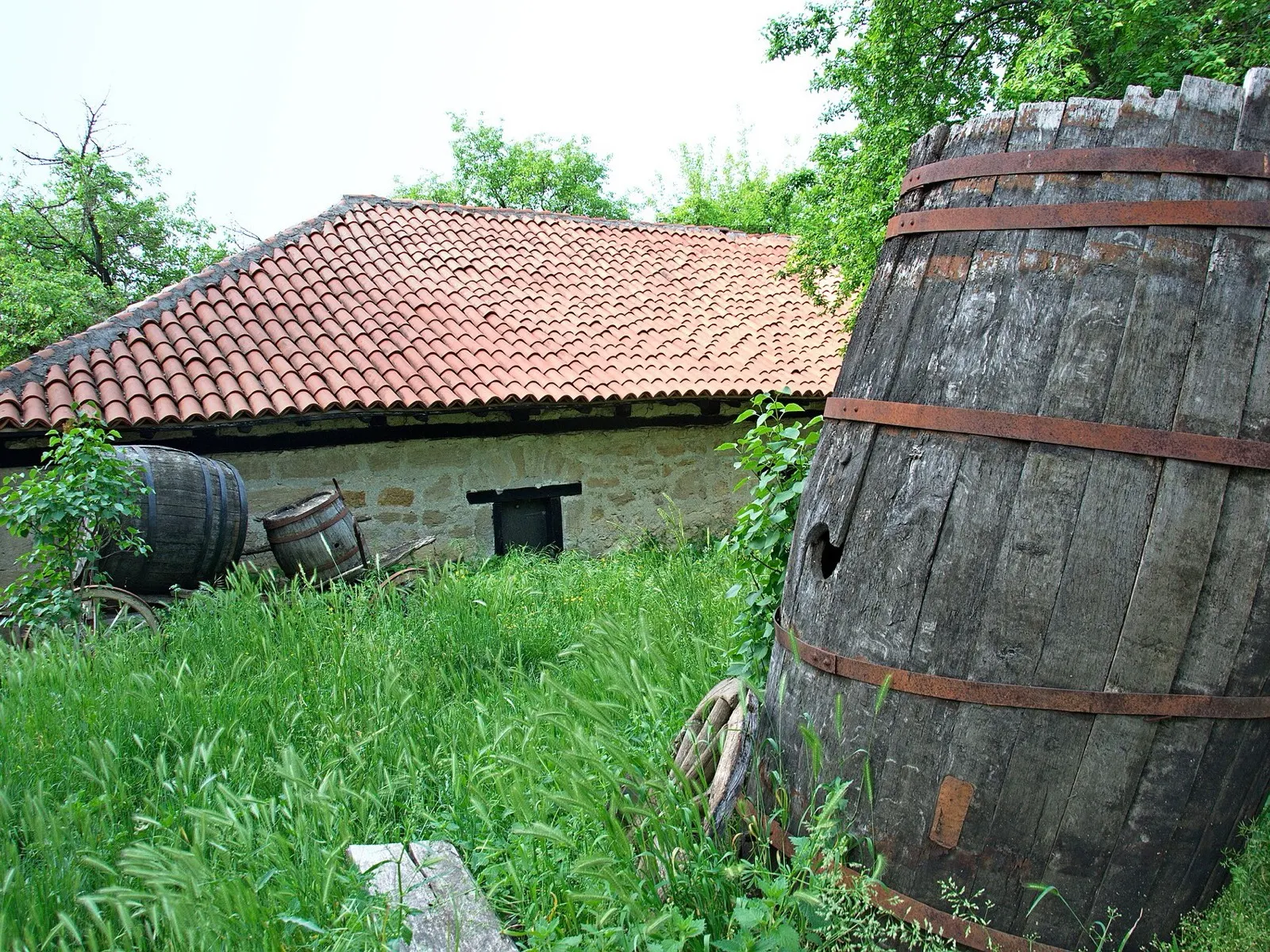
approx. 2.5 hrs
270 stone wine-cellar houses on a hillside – a village where the wine, not people, has always lived.
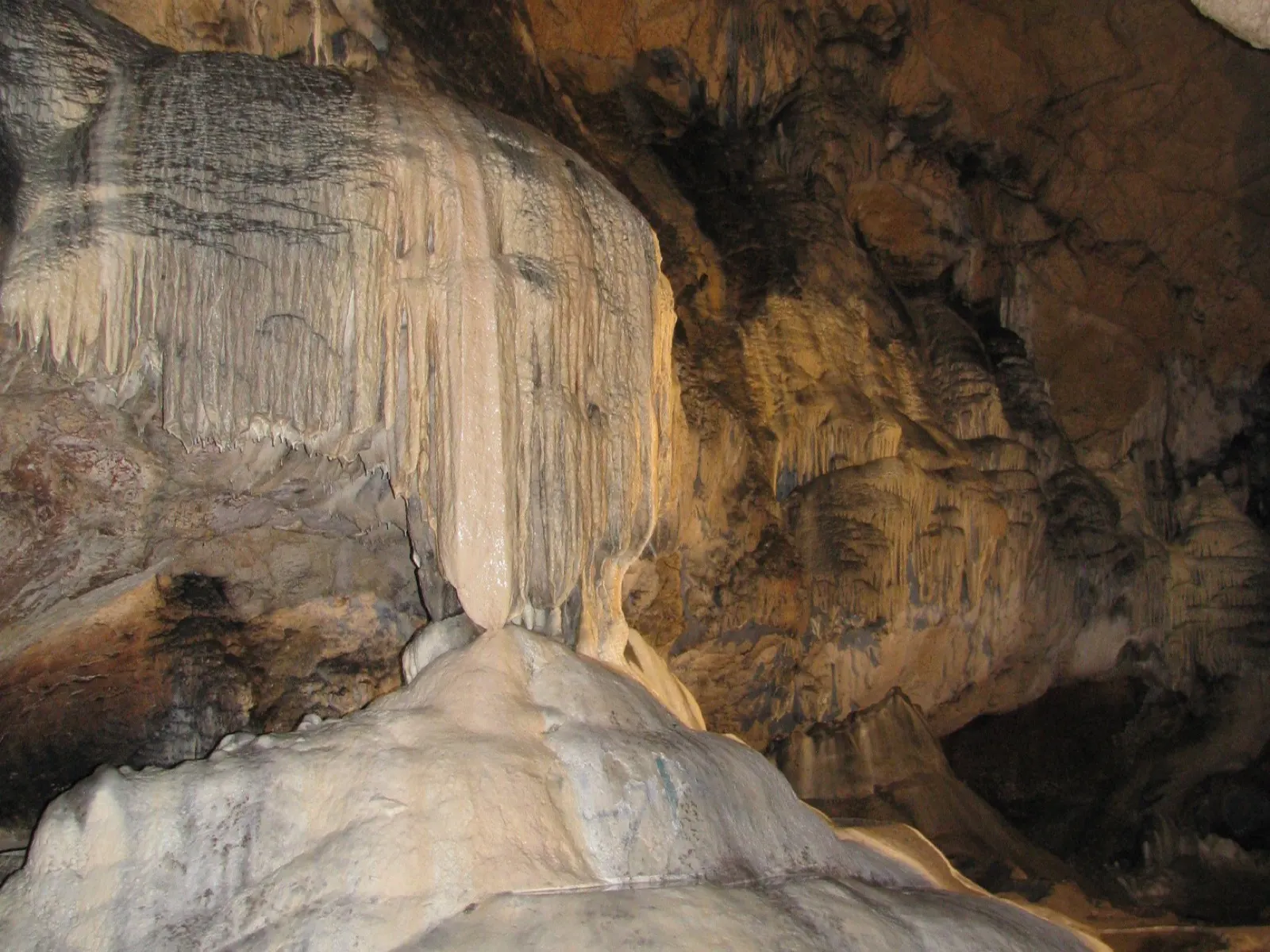
approx. 2 hrs
Serbia's longest cave, open to visitors since 1953 – an 800-metre trail through four great halls.
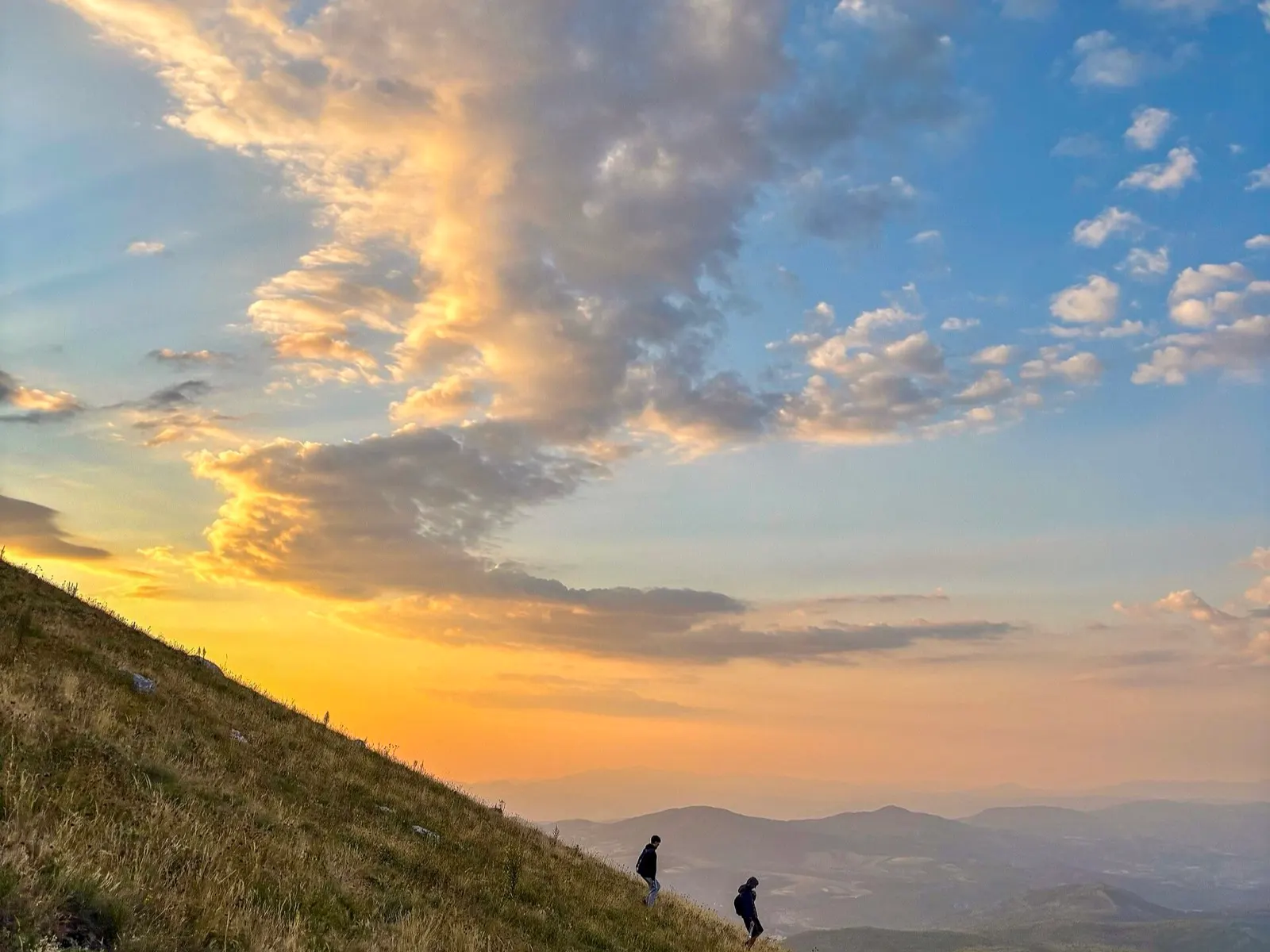
approx. 5 hrs
Eastern Serbia's pyramid mountain: 1,565 metres, a near-perfect cone, legends included.
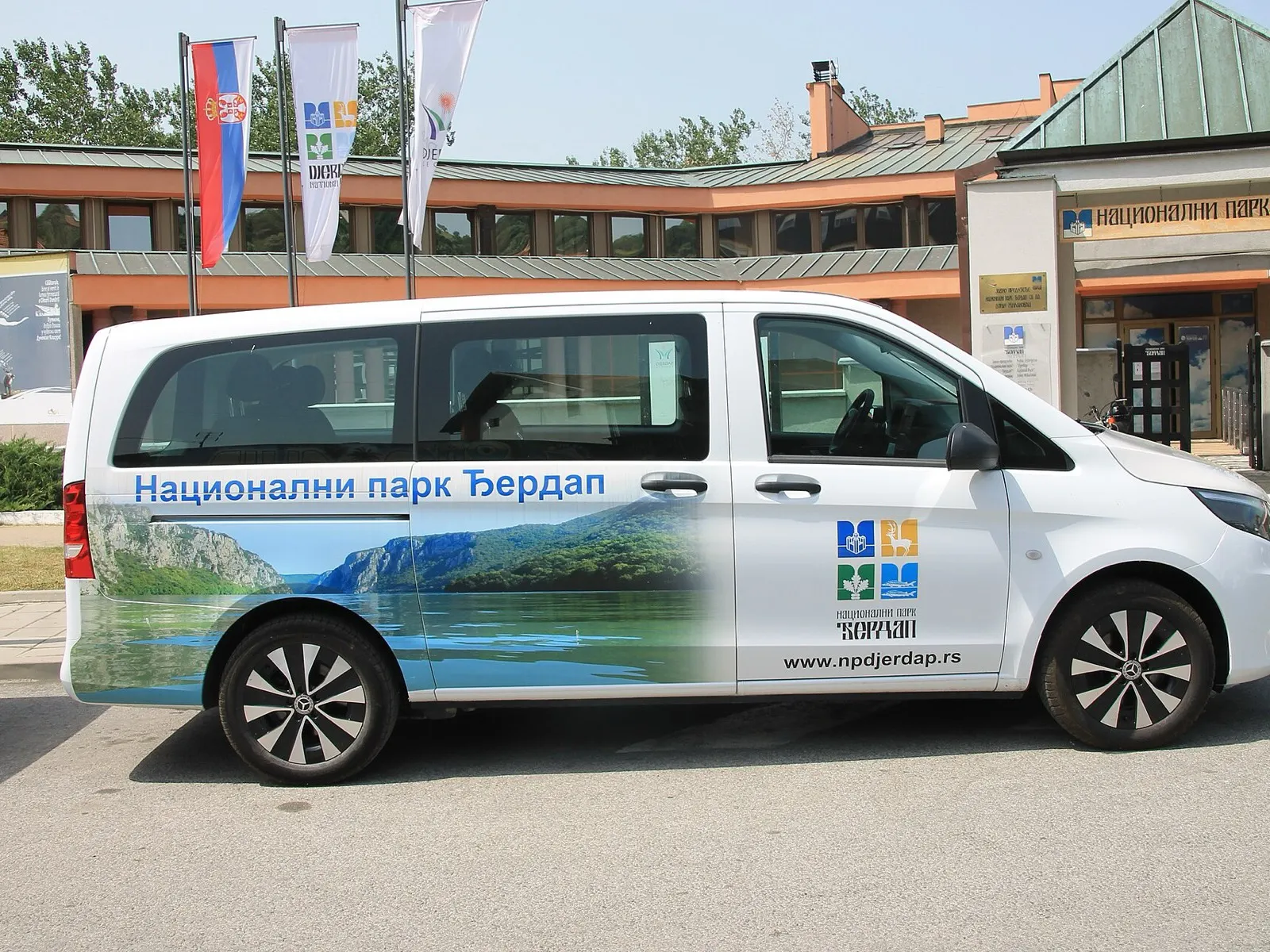
approx. 8 hrs
The Danube's Iron Gates – a 63,786-hectare national park and, since 2020, a UNESCO Global Geopark.