Gibanica
A layered filo pastry with cheese and egg, eaten warm for breakfast or as a snack from the pekara.
Food & drink
Standard Serbian cooking done honestly – and the wine of the Negotin region an hour north.
In a town this size, operators and opening hours change quickly. So the cooking comes first – that does not change – and only then a short list of addresses that have been named in Zaječar for years. We skip ratings and price brackets: we have not eaten in every one of them, and invented stars help nobody.
If you have one evening: roštilj. If you have two: one roštilj, one place with a wine list from the Negotin region.
A layered filo pastry with cheese and egg, eaten warm for breakfast or as a snack from the pekara.
A large, flat grilled patty of minced beef and pork, served with onions and kajmak. The staple of every roštilj.
Small grilled minced-meat rolls, traditionally served in lepinja flatbread. Portions are ordered by the piece.
Sauerkraut rolls filled with minced meat and rice, slowly braised. A winter classic and a holiday dish.
A matured dairy cream sitting somewhere between fresh cheese and butter. It comes with almost everything and is why a Serbian breakfast fills you up.
A red pepper relish, cooked down in late summer. In eastern Serbia many households still make their own – in autumn whole streets smell of it.
Fruit brandy, usually from plum (šljivovica) or grape. It is offered as a gesture of hospitality, not as a digestif.
The wine country north of Zaječar is among Serbia's oldest. Reds dominate, and tastings traditionally happen in the cellar villages of Rajac and Rogljevo.
The places below have been named in Zaječar for years. Check opening hours on site or by phone – reliable online information is rare here.
A classic kafana in the centre – the place for a Serbian breakfast of kajmak, bread and a glass of rakija.
Grill cooking in the Serbian roštilj tradition: pljeskavica, ćevapi, mešano meso.
An address for a longer dinner with wines from the Negotin region.
Café by day, restaurant by night – typical of the dual use of Serbian city-centre venues.
Pizza is a fixture of everyday dining in small Serbian towns, not tourist food.
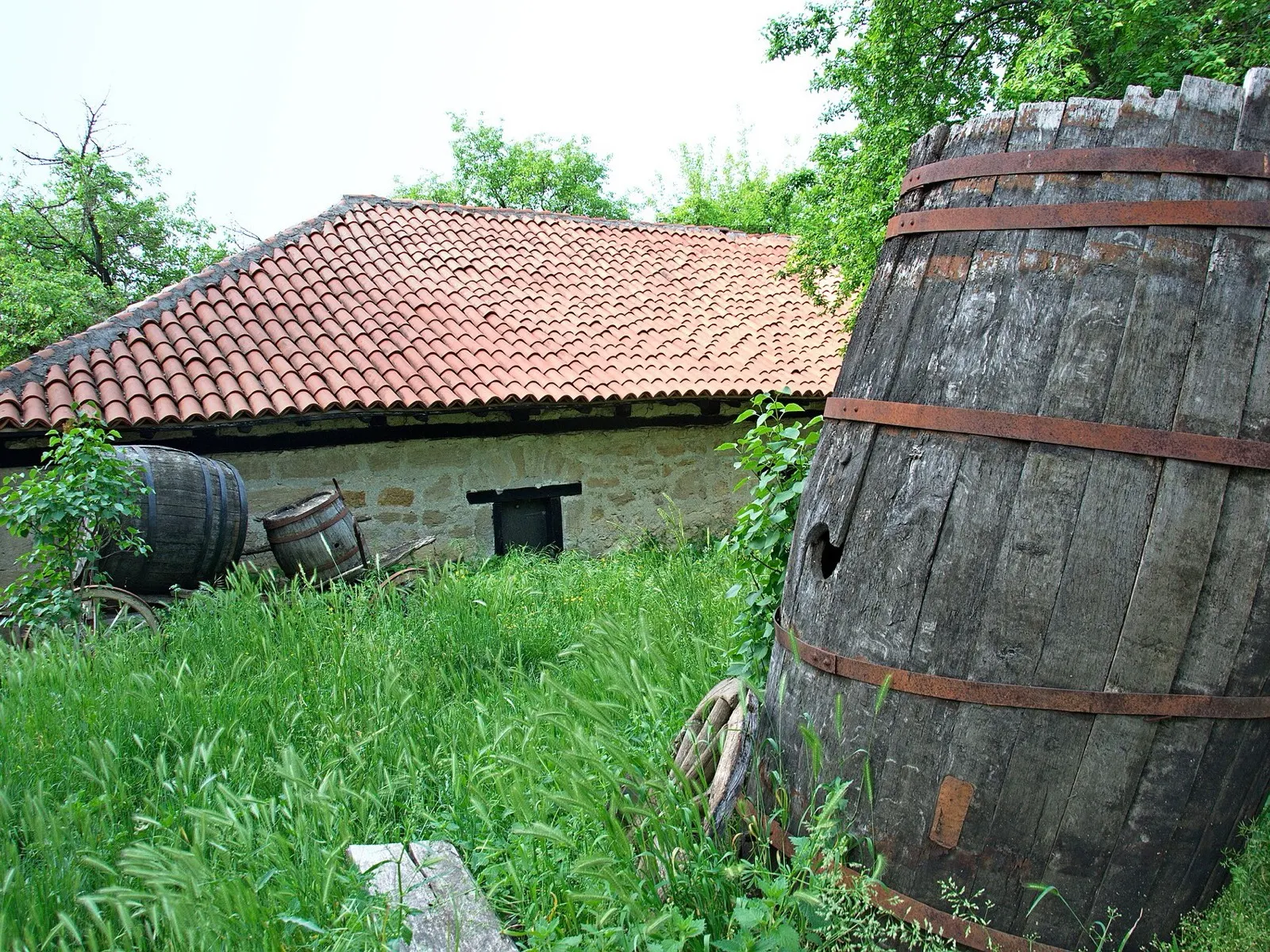
North of Zaječar lies one of Serbia's oldest wine landscapes. Its emblem is the cellar villages of Rajac and Rogljevo: enclosed ensembles of stone cellar houses where wine was made while people lived in the village proper. Rajac alone counts 270 of these buildings. Together they sit on Serbia's tentative list for UNESCO World Heritage status.
Rajac wine cellars →