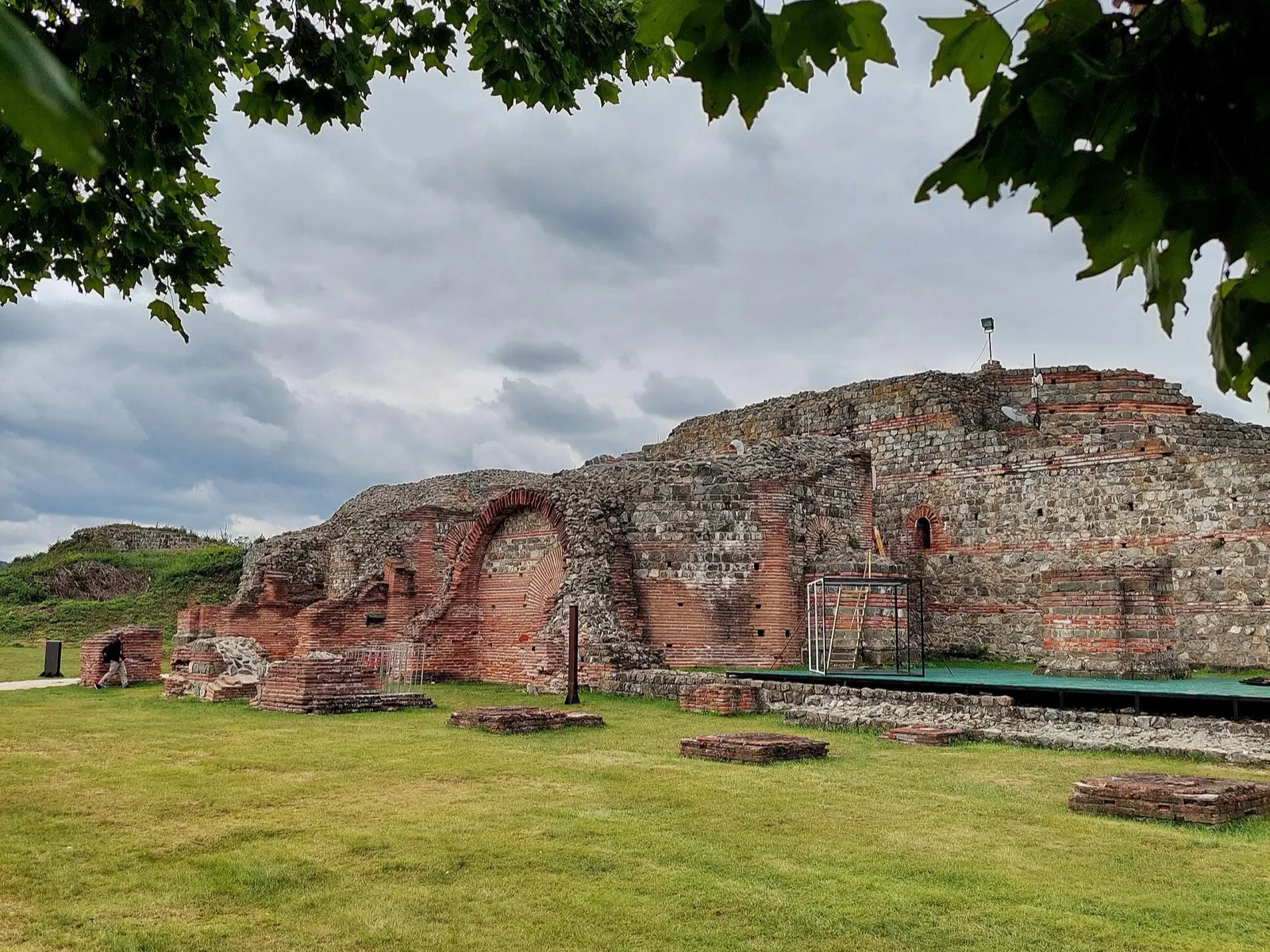
Felix Romuliana (Gamzigrad)
Emperor Galerius' palace complex, a UNESCO World Heritage Site since 2007 and Serbia's most important late-Roman site.
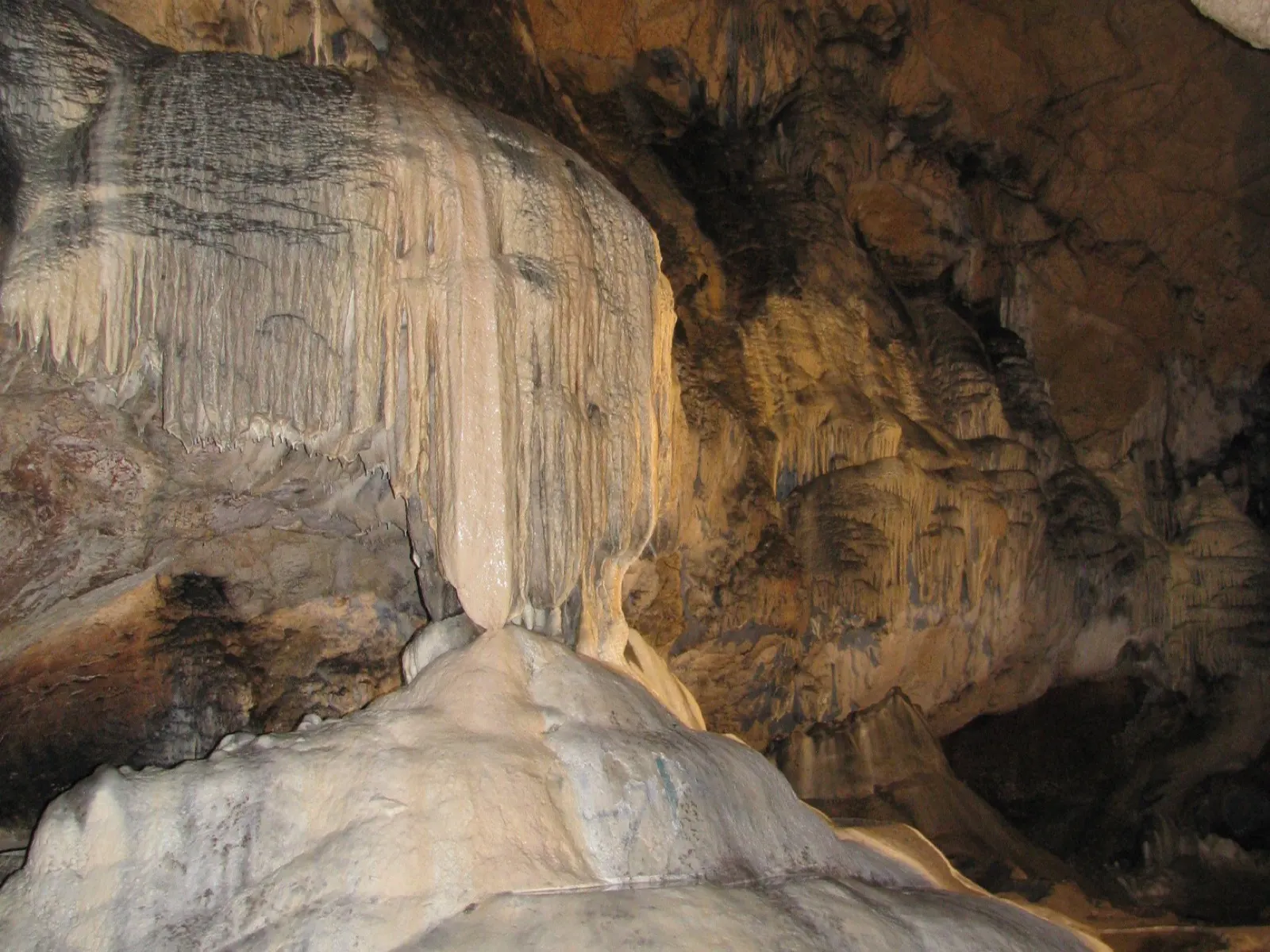
Zlot and the caves
Serbia's longest cave, open to visitors since 1953 – an 800-metre trail through four great halls.
Lazar's Cave, also known as the Zlot cave, is the longest cave in Serbia. It lies on the eastern edge of the Kučaj range, three kilometres from Zlot, fourteen from Brestovačka Banja and twenty-one from Bor. The entrance sits at 291 metres on the left bank of the Lazareva river, where the water emerges as a powerful karst spring.
Development for visitors began in 1953; the tourist trail runs 800 metres. Surveyed passages total 16,041 metres, and speleologists assume the underground volume is many times greater. The halls are estimated at more than 52,000 cubic metres. Four are the largest and most striking: the Throne Hall, the Concert Hall, the Bat Hall and the Hall of Blocks.
Felix Kanitz produced the first description; Felix Hofmann carried out the first survey in 1882, and Jovan Cvijić published his research seven years later. The cave has been protected as a natural monument since 1949, and in 2005 Serbia's nature conservation institute declared it part of the country's geoheritage.
Archaeologically the cave is exceptional: three prehistoric cultural horizons from the Copper, Bronze and Iron Ages have been documented. The copper objects found here are officially the oldest copper finds in Serbia.
The hotel map goes live as soon as the Stay22 property ID for zajecar.eu is in place. Until then the editorial recommendations below cover the options.
Emperor Galerius' palace complex, a UNESCO World Heritage Site since 2007 and Serbia's most important late-Roman site.
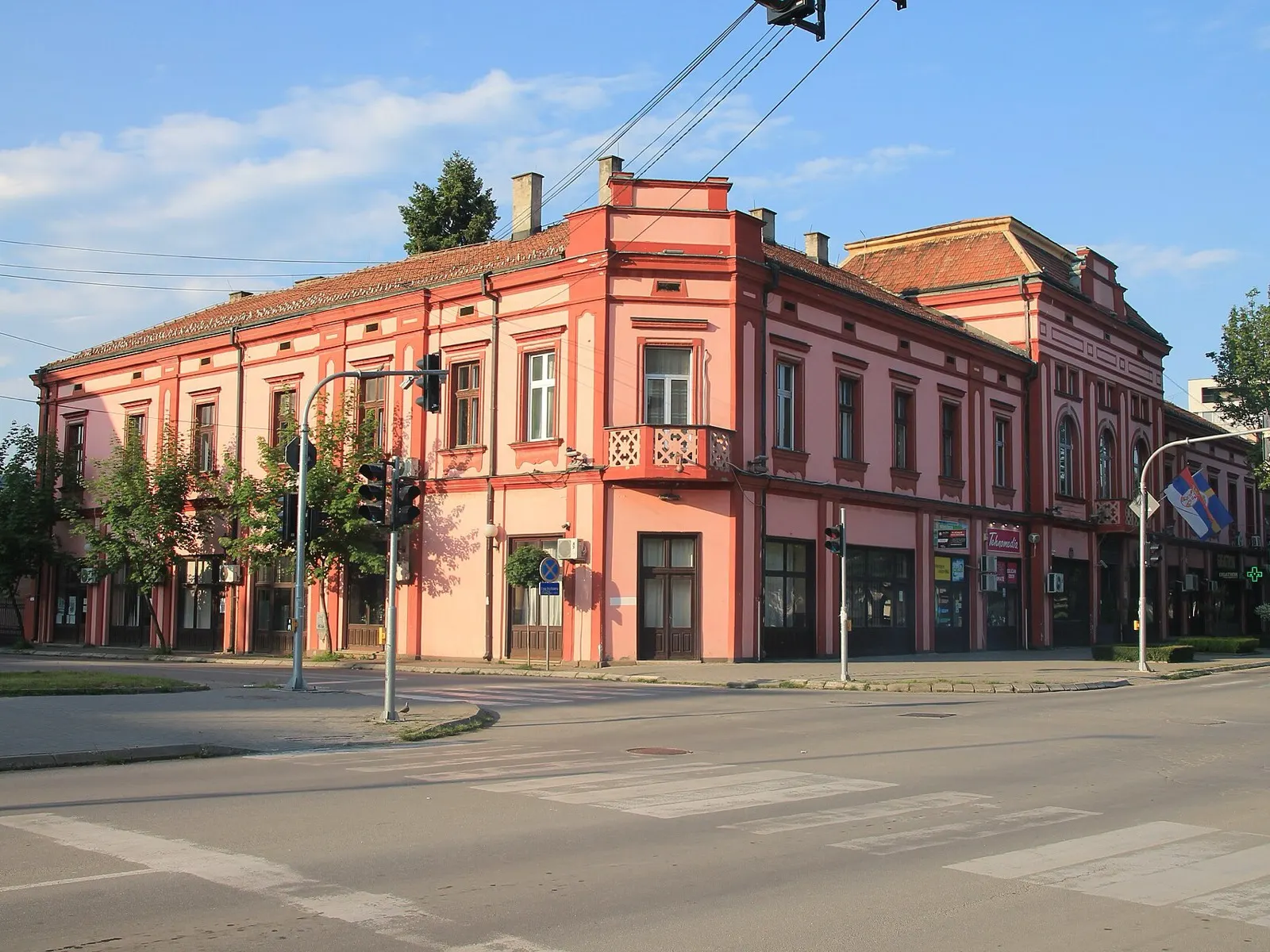
Founded in 1951 on the main square – home to the finds from Felix Romuliana.
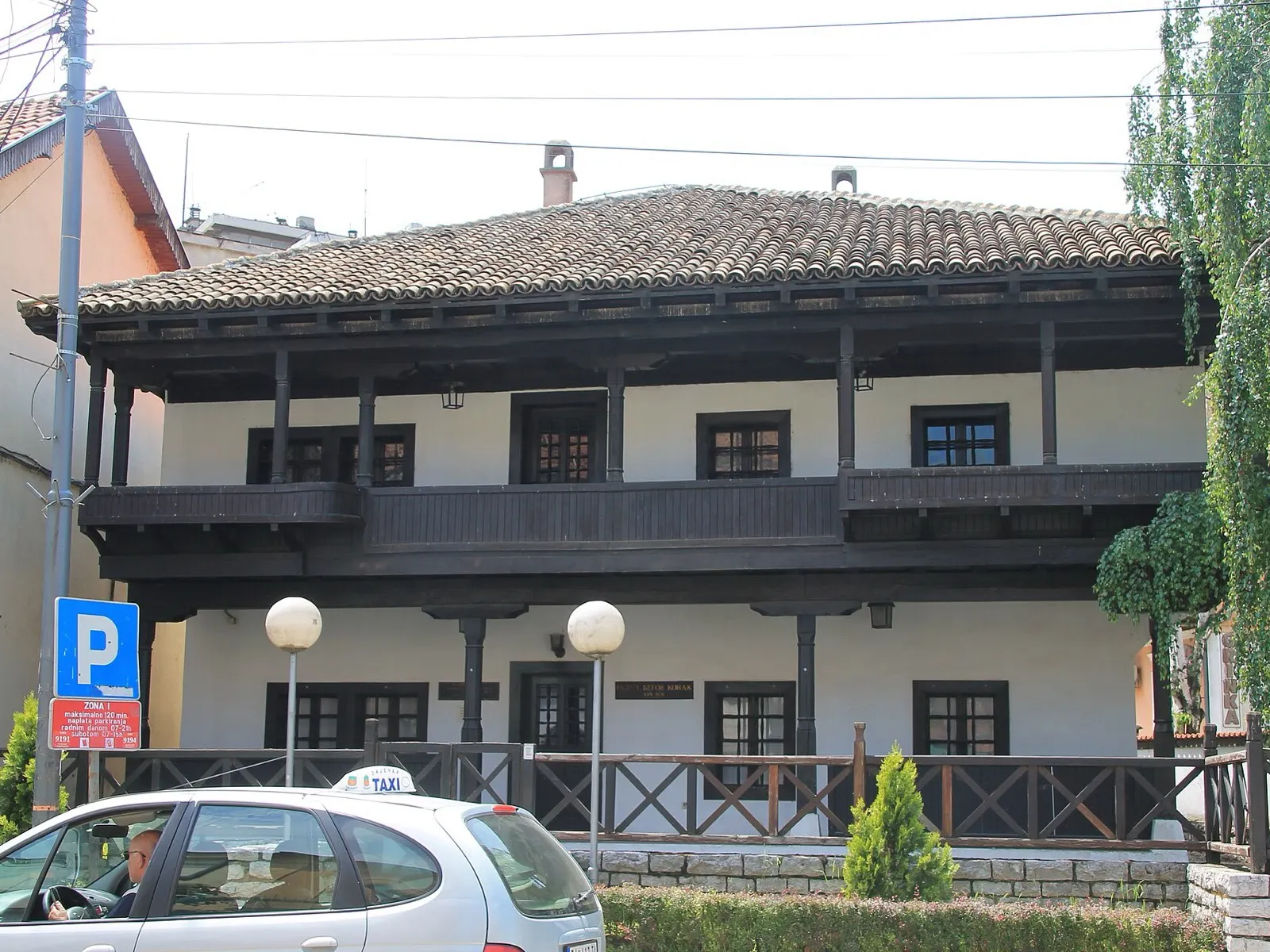
The town's oldest surviving residence, now home to the “Old Zaječar” exhibition and a sales gallery.